Peptide Therapy Guide
Best Peptides for Inflammation (2026)
Updated May 9, 2026
Chronic inflammation drives nearly every degenerative condition. These peptides modulate inflammatory pathways, support immune regulation, and promote tissue repair to address inflammation at its source.
Acute inflammation is your body's healing response — it is essential and beneficial. Chronic inflammation is different: it is a sustained, low-grade immune activation that damages healthy tissue instead of repairing it. Chronic inflammation is implicated in cardiovascular disease, neurodegeneration, autoimmune conditions, metabolic syndrome, and accelerated aging.
The challenge is modulation, not suppression. Broadly suppressing inflammation (as corticosteroids and some immunosuppressants do) compromises your ability to fight infections and heal from injuries. Peptide therapy takes a more targeted approach: reducing the excessive inflammatory response while preserving the signaling your body needs to function normally.
60%
of chronic diseases linked to chronic inflammation
24M+
Americans affected by autoimmune conditions
3x
increase in inflammatory markers with age ("inflammaging")
How Peptides Help With Inflammation
Selective Inflammatory Modulation
BPC-157 modulates multiple inflammatory pathways including nitric oxide synthesis and prostaglandin production. Unlike NSAIDs that block COX enzymes indiscriminately, BPC-157 supports inflammatory resolution — the natural process by which acute inflammation is shut off after it has served its purpose.
Immune System Balancing
Thymosin Alpha-1 is an immunomodulator, not an immunostimulant. It enhances immune surveillance while helping to balance overactive immune responses. This makes it relevant for both immune deficiency and autoimmune-related inflammation, where the immune system attacks healthy tissue.
Antioxidant Defense
Chronic inflammation and oxidative stress form a self-reinforcing cycle. Glutathione breaks this cycle by neutralizing the free radicals that drive inflammatory signaling. As the body's most abundant intracellular antioxidant, glutathione is essential for resolving inflammation at the cellular level.
Top Peptides for Inflammation
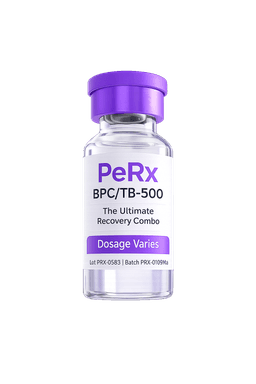
BPC/TB-500
$299/moThe Ultimate Recovery Combo
BPC/TB-500 combines BPC-157 and TB-500 in a single vial for comprehensive tissue repair. BPC-157 targets the injury site directly while TB-500 works systemically to reduce inflammation throughout the body.
Frequently Asked Questions
What is the best peptide for inflammation?
Based on clinical research and mechanism of action, BPC/TB-500 is the top-ranked peptide for inflammation. The Ultimate Recovery Combo. Take our free health assessment and use the Virtual Cell to see which peptides match your biology.
How long do peptides take to work for inflammation?
Most patients notice initial improvements in inflammation within 2-4 weeks of consistent use, with more significant results over 8-12 weeks. Timelines vary based on the specific peptide, your health status, and protocol adherence.
Can I combine peptides for inflammation?
Yes. Many patients benefit from combining peptides that target inflammation through complementary mechanisms. PeRx offers pre-formulated combo products, and your provider can recommend the best combination for your goals.
Do I need a prescription for inflammation peptides?
Yes. All peptide therapies at PeRx require a valid prescription from a licensed healthcare provider. The prescription is included as part of the PeRx process — select your peptide, complete a health screening, and a provider will review and prescribe your personalized protocol.
Are inflammation peptides safe?
When prescribed by a licensed provider and sourced from an FDA-registered 503A compounding pharmacy, peptides for inflammation have a strong safety profile. Every PeRx patient undergoes a health screening before receiving a prescription.
Not sure which is right for you?
Take our free health assessment and use the Virtual Cell to discover which peptides match your biology.
Try the Virtual CellRelated Pages
Medical Disclaimer
The information provided on this page is for educational purposes only and is not intended as medical advice, diagnosis, or treatment. Peptide therapy requires a valid prescription from a licensed healthcare provider. Individual results may vary. No specific outcomes are guaranteed.
The peptides on this site are not FDA-approved. They are compounded by licensed pharmacies under provider supervision. Certain peptides are prohibited by WADA and major sports organizations. Statements on this page have not been evaluated by the FDA. These products are not intended to diagnose, treat, cure, or prevent any disease.