Peptide Therapy Guide
Best Peptides for Joint Pain (2026)
Updated May 9, 2026
Joint pain stems from inflammation, cartilage degradation, and impaired tissue repair. These peptides promote angiogenesis, reduce inflammatory markers, and support connective tissue regeneration to restore joint function.
Joint cartilage has almost no blood supply, which is why it heals so slowly and degrades so permanently. Once cartilage is lost, your body cannot easily rebuild it. The result is bone-on-bone contact, chronic inflammation, and progressive pain that worsens over time. NSAIDs mask the pain but do nothing to address the structural damage — and long-term NSAID use can actually accelerate cartilage degradation.
Peptide therapy targets the underlying biology of joint health: promoting blood vessel formation near damaged tissue, stimulating collagen and glycosaminoglycan synthesis, and modulating the inflammatory response that drives ongoing joint destruction. The goal is not just pain relief but actual structural support for the joint.
54M+
US adults diagnosed with arthritis
0%
blood supply in cartilage (why joints heal so slowly)
100+
studies on BPC-157 for connective tissue repair
How Peptides Help With Joint Pain
Angiogenesis for Joint Healing
BPC-157 promotes new blood vessel formation near damaged joints, improving the delivery of oxygen, nutrients, and repair cells to areas with naturally poor blood supply. Research shows accelerated healing in tendons, ligaments, and connective tissues surrounding joints.
Systemic Inflammation Reduction
TB-500 reduces chronic inflammation throughout the body while promoting cell migration to damaged areas. For joints, this means less inflammatory destruction of cartilage and better conditions for repair. Unlike NSAIDs, TB-500 does not impair the healing process.
Collagen and Connective Tissue Support
GHK-Cu stimulates collagen synthesis and extracellular matrix remodeling in connective tissue. Growth hormone peptides also support joint health by promoting the regenerative processes that maintain cartilage, synovial fluid, and the structural proteins surrounding joints.
Top Peptides for Joint Pain
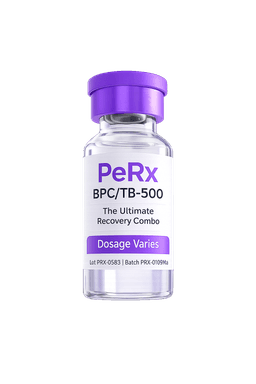
BPC/TB-500
$299/moThe Ultimate Recovery Combo
BPC/TB-500 combines BPC-157 and TB-500 in a single vial for comprehensive tissue repair. BPC-157 targets the injury site directly while TB-500 works systemically to reduce inflammation throughout the body.
Frequently Asked Questions
What is the best peptide for joint pain?
Based on clinical research and mechanism of action, BPC/TB-500 is the top-ranked peptide for joint pain. The Ultimate Recovery Combo. Take our free health assessment and use the Virtual Cell to see which peptides match your biology.
How long do peptides take to work for joint pain?
Most patients notice initial improvements in joint pain within 2-4 weeks of consistent use, with more significant results over 8-12 weeks. Timelines vary based on the specific peptide, your health status, and protocol adherence.
Can I combine peptides for joint pain?
Yes. Many patients benefit from combining peptides that target joint pain through complementary mechanisms. PeRx offers pre-formulated combo products, and your provider can recommend the best combination for your goals.
Do I need a prescription for joint pain peptides?
Yes. All peptide therapies at PeRx require a valid prescription from a licensed healthcare provider. The prescription is included as part of the PeRx process — select your peptide, complete a health screening, and a provider will review and prescribe your personalized protocol.
Are joint pain peptides safe?
When prescribed by a licensed provider and sourced from an FDA-registered 503A compounding pharmacy, peptides for joint pain have a strong safety profile. Every PeRx patient undergoes a health screening before receiving a prescription.
Not sure which is right for you?
Take our free health assessment and use the Virtual Cell to discover which peptides match your biology.
Try the Virtual CellRelated Pages
Medical Disclaimer
The information provided on this page is for educational purposes only and is not intended as medical advice, diagnosis, or treatment. Peptide therapy requires a valid prescription from a licensed healthcare provider. Individual results may vary. No specific outcomes are guaranteed.
The peptides on this site are not FDA-approved. They are compounded by licensed pharmacies under provider supervision. Certain peptides are prohibited by WADA and major sports organizations. Statements on this page have not been evaluated by the FDA. These products are not intended to diagnose, treat, cure, or prevent any disease.