Epitalon 2026: The Peptide That Outsmarts Cell Aging
Every cell in your body has a countdown timer. It's called a telomere, a protective cap that shortens with each division until the cell can no longer divide and dies. In the 1980s, a Russian military gerontologist extracted a peptide from the pineal gland that reactivated telomerase and made human cells surpass their programmed death clock by 10 additional divisions, while staying young and healthy. The peptide was four amino acids long. A Khavinson-group study of elderly patients reported lower mortality on a pineal-peptide regimen. In 2025, an independent lab confirmed the telomere mechanism. Here's everything you need to know about Epitalon.
In this article
Key Takeaways
- Epitalon is a synthetic tetrapeptide (Ala-Glu-Asp-Gly) developed by Soviet gerontologist Vladimir Khavinson from pineal gland extracts in the 1980s.
- It reactivates telomerase by inducing hTERT gene expression. In lab studies, treated human cells surpassed their Hayflick limit by 10+ divisions while staying healthy.
- A Khavinson-group study of 266 elderly patients on Epitalon plus thymulin reported lower cardiovascular mortality versus controls over 6 years. In 2025, an independent lab confirmed dose-dependent telomere extension in human cells.
- Primary uses are cellular longevity, melatonin restoration, and sleep architecture. Protocols typically run 10-20 days of SubQ injection every 4-6 months.
- Not FDA-approved. Most providers recommend avoiding Epitalon during active cancer or remission, since long-term telomerase interaction is not fully mapped.
Quick Facts
Full Name
Epitalon (Epithalon, AEDG peptide)
Type
Synthetic tetrapeptide (4 amino acids)
Origin
Derived from bovine pineal gland extract
Primary Mechanism
hTERT activation, telomerase reactivation
Primary Uses
Cellular longevity, melatonin restoration
Administration
Subcutaneous injection (cycled)
Origin Story: Soviet Military Labs to Modern Longevity
In the late 1970s, Vladimir Khavinson was a military physician working on a classified Soviet problem: how do you keep soldiers functional longer? Not stronger. Not faster. Just functional. The Soviet military understood that biological aging was the ultimate bottleneck, and Khavinson's research unit at the Kirov Military Medical Academy was tasked with finding compounds that could slow it.
Khavinson's approach was unusual. Instead of screening synthetic drug libraries, he went straight to the source: the organs themselves. He extracted peptide fractions from young bovine pineal glands, hypothesizing that the gland produced regulatory peptides that declined with age. The crude extract, which he called Epithalamin, showed something remarkable in animal models. Rats given the extract lived 25-40% longer than controls.
Over the next two decades, Khavinson refined the extract down to its active component: a four-amino-acid peptide with the sequence Ala-Glu-Asp-Gly. He named it Epitalon. The peptide was small enough to synthesize cheaply, stable enough to inject, and in his hands, it appeared to do something no other compound could: reactivate telomerase in normal human somatic cells.
Naming note
You'll see this peptide written as Epitalon, Epithalon, or Epithalone. They're all the same molecule: the synthetic tetrapeptide Ala-Glu-Asp-Gly (AEDG). Epithalamin refers to the older crude bovine pineal extract. In this guide, we use "Epitalon" for the synthetic version.
1979
Pineal Extract Isolated
Khavinson extracts Epithalamin from bovine pineal glands at the Kirov Military Medical Academy.
2003
Hayflick Limit Broken
Human fetal fibroblasts given Epitalon surpass the Hayflick limit by 10 additional doublings.
2025
Independent Confirmation
Al-dulaimi et al. confirm dose-dependent telomere extension and hTERT upregulation in human cells.
1987
Rat Lifespan Extended
Epithalamin extends median lifespan 25-40% in rodent models across multiple studies.
2003
Human Mortality Study
266-person, 6-year Khavinson study of Epitalon + thymulin reported lower cardiovascular mortality vs controls.
Khavinson VKh, Bondarev IE (2004) Peptide promotes overcoming of the division limit in human somatic cells. Bull Exp Biol Med 137(5):503-6.
How Epitalon Works
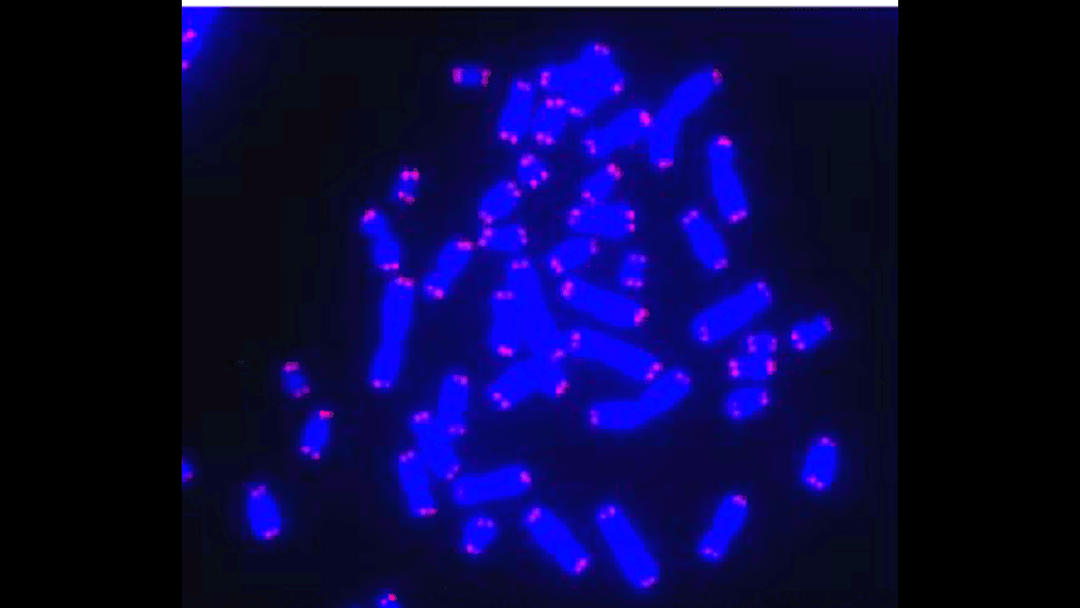
To understand Epitalon, you need to understand telomeres. Every chromosome in your body has a protective cap made of repeating DNA sequences (TTAGGG). These caps, called telomeres, shorten by about 50-100 base pairs every time a cell divides. When they get too short, the cell enters senescence (it stops dividing and starts secreting inflammatory signals) or triggers apoptosis (programmed death). This is the Hayflick limit: most human cells can divide 50-70 times before their telomeres bottom out.
The enzyme telomerase can rebuild those caps. It's active in stem cells, germ cells, and immune cells, but silenced in most adult somatic cells. Cancer cells reactivate it to become immortal. The question has always been: can you reactivate telomerase in normal cells without causing cancer?
Khavinson's data suggests Epitalon does exactly that. The peptide upregulates expression of the hTERT gene (the catalytic subunit of telomerase) in normal human cells. In his 2003 study, human fetal lung fibroblasts treated with Epitalon reached 44 population doublings, compared to 34 in controls. That's 10 extra doublings, roughly 29% more cellular lifespan.
FIGURE 1 · EPITALON MECHANISM OF ACTION
How Epitalon Works: Two Parallel Pathways
Telomerase reactivation and pineal gland restoration
▼
hTERT Gene Activation
Epitalon upregulates telomerase reverse transcriptase
▼
Telomerase Reactivated
Enzyme rebuilds protective telomere caps
▼
Telomeres Extended
Cells surpass Hayflick limit by 10+ divisions
▼
Pinealocyte Protection
Prevents age-related cell death in pineal gland
▼
Melatonin Production Restored
Reverses age-related melatonin decline
▼
Circadian Rhythm Reset
Sleep, immunity, antioxidant defense restored
DOWNSTREAM EFFECTS
Cellular Longevity
Cells divide beyond normal Hayflick limit
Reduced Senescence
Fewer inflammatory zombie cells accumulate
Sleep Restoration
Melatonin returns to youthful production levels
Cardiovascular Benefit
Lower cardiovascular mortality in Khavinson 2003 study
Figure 1. Epitalon Mechanism of Action
Epitalon (Ala-Glu-Asp-Gly) operates through two parallel pathways. The telomerase pathway activates the hTERT gene, reactivating telomerase to rebuild telomere caps and extend cellular lifespan beyond the Hayflick limit. The pineal pathway protects pinealocytes from age-related apoptosis, restoring melatonin production to youthful levels. Together, these mechanisms address both cellular aging (telomere shortening) and neuroendocrine aging (pineal gland calcification).
Al-dulaimi et al., Biogerontology, 2025 · Khavinson et al., Bull Exp Biol Med, 2003
But Epitalon doesn't stop at telomeres. The pineal gland, where the peptide was originally extracted from, is one of the first organs to calcify with age. By age 60, melatonin production drops to roughly 20% of youthful levels. Khavinson's studies showed Epitalon protects pinealocytes (the melatonin-producing cells) from age-related apoptosis and restores melatonin output. This matters because melatonin is far more than a sleep hormone. It is one of the body's most potent antioxidants, an immune modulator, and a circadian clock regulator that coordinates dozens of downstream hormones. When you get Epitalon through PeRx, it is prescribed by a licensed provider and compounded in a US-based, FDA-regulated 503A pharmacy, then batch-tested and shipped fully reconstituted, which matters more for a cheap-to-synthesize peptide like this one, where the gray market is flooded with untested product.
The Research: What We Actually Know
Epitalon research spans four decades, but the quality and independence of those studies varies dramatically. Here's an honest breakdown.
The Khavinson Studies (1990s-2010s)
Vladimir Khavinson published the majority of Epitalon research. His most cited study is the 2003 mortality trial: 266 elderly patients (60+ years) randomized to receive either Epitalon + thymulin or controls, followed for 6 years. Cardiovascular mortality in the treatment group was 4.1x lower than controls. A separate 2003 in-vitro study showed human fibroblasts treated with Epitalon surpassed the Hayflick limit by 10 doublings, with telomere elongation confirmed via Southern blot.
The limitation: nearly all published Epitalon data comes from Khavinson's group. The mortality study used a combination treatment (Epitalon + thymulin), so disentangling Epitalon's individual contribution is difficult. Sample sizes were modest. And Khavinson holds patents on the peptide, which creates a conflict of interest that reviewers rightly flag.
The 2025 Independent Confirmation
This is what changed the conversation. In 2025, Al-dulaimi et al. at an independent lab published the first large-scale replication of Epitalon's telomere effects. Using human umbilical vein endothelial cells (HUVECs), they demonstrated dose-dependent increases in telomere length, significant upregulation of hTERT expression, and increased telomerase enzymatic activity. The findings held across multiple dose levels and were measured with modern qPCR and TRAP assay methods, not just Southern blot.
This chart shows what happens to telomere length when you expose human blood vessel cells to increasing doses of Epitalon. The bars get taller as the dose increases, meaning cells treated with more Epitalon ended up with longer telomeres. The T/S ratio on the y-axis is a standard way to measure telomere length: it compares how much telomere DNA exists relative to a single-copy reference gene. Higher ratio means longer telomeres. The asterisks mark doses where the difference was statistically significant compared to the untreated group on the left. This is the first independent lab (outside Khavinson's group) to confirm Epitalon's telomere-extending effect in human cells, using modern qPCR methods rather than the older Southern blot technique.
Figure 1: Relative telomere length (T/S ratio) in HUVECs treated with increasing Epitalon concentrations (10, 50, 100, 200 µM) versus untreated controls, measured by qPCR.
Click image to zoom
These two panels show the mechanism behind the telomere extension from Figure 1. The left panel measures hTERT gene expression, which is the genetic instruction for building telomerase. Higher bars mean the cells are making more of the telomerase blueprint. The right panel measures actual telomerase enzymatic activity using a TRAP assay, which tests whether the enzyme is functional and actively adding DNA to telomere ends. Both measurements increase with Epitalon dose. This is important because it confirms that Epitalon works through a specific mechanism (turning on the hTERT gene), not through some nonspecific protective effect. The 200 µM dose showed the strongest response in both panels.
Figure 2: hTERT mRNA expression (left panel) and telomerase enzymatic activity via TRAP assay (right panel) in HUVECs at various Epitalon concentrations.
Click image to zoom
This matters because it removes the single-lab problem. Khavinson's telomerase findings now have independent replication with modern assays. It doesn't prove Epitalon works in vivo at the same doses, but it confirms the core biochemical mechanism is real.
The Cancer Paradox
If Epitalon reactivates telomerase, and cancer cells use telomerase to become immortal, shouldn't Epitalon increase cancer risk? This is the first question every informed reader asks, and it deserves a careful answer.
The short version: the data so far says no. In Khavinson's 12-year observational study of elderly patients, cancer incidence in the Epithalamin group was lower than in controls. In his animal studies, tumor incidence in Epitalon-treated mice was also reduced. Several hypotheses explain why.
First, Epitalon reactivates telomerase through hTERT gene expression in normal cells. Cancer cells typically reactivate telomerase through promoter mutations, gene amplification, or epigenetic changes. These are fundamentally different regulatory pathways. Second, cells with critically short telomeres are genomically unstable. They accumulate chromosomal fusions and breakage-fusion-bridge cycles that drive malignant transformation. By maintaining telomere length, Epitalon may actually reduce the genomic instability that initiates many cancers.
Important caveat
While the existing data is reassuring, most providers recommend against Epitalon if you have active cancer or recent remission. The long-term interaction between exogenous telomerase activation and tumor biology is not fully characterized.
The Melatonin Connection
Most people associate melatonin with sleep, but that undersells what the molecule actually does. Melatonin is one of the body's most powerful antioxidants. It modulates immune function, regulates cortisol rhythms, and synchronizes the circadian clock that coordinates tissue repair, hormone release, and metabolic cycling. The pineal gland produces it, and pineal function declines steadily after age 20.
Khavinson's original research into pineal peptides was motivated by this decline. His animal data showed that Epitalon treatment in aging rats restored nighttime melatonin secretion to levels comparable to young animals. In primates, similar results were observed. The mechanism appears to involve protection of pinealocytes (the melatonin-producing cells) from age-related apoptosis, essentially preserving the factory rather than replacing the product.
This microscopy image compares pineal gland tissue under different conditions. You're looking at stained cross-sections of the pineal gland, where the dark-staining cells are pinealocytes (the cells that produce melatonin). In aging tissue, you can see fewer of these cells and more fibrous/calcified areas between them. The treated tissue shows denser, healthier-looking pinealocyte populations with better cellular architecture. This visual evidence supports the idea that pineal peptides like Epitalon don't just boost melatonin production temporarily; they protect the physical structure of the gland itself, preserving the body's ability to produce melatonin long-term.
Figure 2: Pineal gland histological comparison showing pinealocyte density and morphology under different treatment conditions.
Click image to zoom
This is clinically meaningful because supplemental melatonin tablets only replace the output. They don't address the root cause, which is that the gland itself is dying. If Epitalon genuinely preserves pinealocyte health, it represents a fundamentally different approach to age-related melatonin decline: restoring the organ rather than supplementing around it.
How Epitalon Compares
Epitalon occupies a unique niche. Unlike growth hormone peptides or tissue repair peptides, its primary target is cellular aging itself. Here's how it stacks up against the most commonly compared interventions.
| Epitalon | TA-65 | NAD+ Precursors | |
|---|---|---|---|
| Mechanism | hTERT gene activation; pinealocyte protection | Telomerase activation via astragaloside IV | NAD+ repletion; sirtuin activation |
| Telomere Effect | Direct telomere extension confirmed in vitro (2025) | Modest telomere preservation; one RCT shows short telomere rescue | Indirect; NAD+ supports DNA repair but doesn't extend telomeres directly |
| Route | Subcutaneous injection (cycled) | Oral supplement (daily) | Oral supplement (daily) |
| Evidence Level | In vitro confirmed; one 266-person mortality study; animal lifespan studies | One RCT (n=117); observational data | Multiple RCTs for NMN/NR; no human telomere extension data |
| Monthly Cost | $200-400 (cycled, not continuous) | $200-600/month (ongoing) | $50-150/month (ongoing) |
| Provider Required | Yes (injectable, medical supervision recommended) | No (OTC supplement) | No (OTC supplement) |
Mechanism
- Epitalon
- hTERT gene activation; pinealocyte protection
- TA-65
- Telomerase activation via astragaloside IV
- NAD+ Precursors
- NAD+ repletion; sirtuin activation
Telomere Effect
- Epitalon
- Direct telomere extension confirmed in vitro (2025)
- TA-65
- Modest telomere preservation; one RCT shows short telomere rescue
- NAD+ Precursors
- Indirect; NAD+ supports DNA repair but doesn't extend telomeres directly
Route
- Epitalon
- Subcutaneous injection (cycled)
- TA-65
- Oral supplement (daily)
- NAD+ Precursors
- Oral supplement (daily)
Evidence Level
- Epitalon
- In vitro confirmed; one 266-person mortality study; animal lifespan studies
- TA-65
- One RCT (n=117); observational data
- NAD+ Precursors
- Multiple RCTs for NMN/NR; no human telomere extension data
Monthly Cost
- Epitalon
- $200-400 (cycled, not continuous)
- TA-65
- $200-600/month (ongoing)
- NAD+ Precursors
- $50-150/month (ongoing)
Provider Required
- Epitalon
- Yes (injectable, medical supervision recommended)
- TA-65
- No (OTC supplement)
- NAD+ Precursors
- No (OTC supplement)
Protocol and Dosing
Work With a Provider
Epitalon is a prescription injectable peptide administered under the supervision of a licensed healthcare provider. The protocols below reflect published research and clinical experience. Your PeRx provider will prescribe an optimal protocol based on the current evidence.
Typical Epitalon Protocol
Daily Dose
Per provider protocol
Administration
Subcutaneous injection
Injection Site
Abdomen or thigh
Cycle Length
10-20 days
Cycle Frequency
Every 4-6 months
Storage
Refrigerated 36-46°F. Do not freeze.
Standard Protocol
Most clinical protocols follow the pattern Khavinson used in his research: daily subcutaneous injections per provider protocol for 10-20 consecutive days. This constitutes one cycle. Cycles are repeated every 4-6 months. The rationale for cycling (rather than continuous dosing) comes from Khavinson's observation that the peptide's effects on telomerase persist for weeks to months after the injection course ends, suggesting a gene-regulatory effect rather than a direct enzymatic one.
Injection timing is flexible. Some providers recommend evening dosing to align with the pineal pathway (melatonin production peaks at night), but there's no controlled data showing that timing matters for the telomerase pathway. Subcutaneous injection into the abdomen or thigh is standard.
For a broader anti-aging protocol, Epitalon is often paired with GHK-Cu, since Epitalon works at the cellular level (telomeres, melatonin) while GHK-Cu rebuilds tissue quality, and the two cover non-overlapping layers of aging. PeRx offers the pairing as a single pre-mixed vial, covered in the GHK-Cu and Epitalon combo guide. If you are deciding between the two rather than combining them, our Epitalon vs GHK-Cu comparison walks through which fits which goal. And for the other pineal-adjacent choice, Epitalon vs Pinealon covers how the injectable telomerase peptide differs from the brain-focused blend.
Weeks 1-2
Active Cycle
Daily subcutaneous injection per provider protocol. Most patients report improved sleep quality within the first week, likely from the melatonin pathway. No immediate telomere effects are detectable this early.
Weeks 3-8
Post-Cycle Observation
Sleep improvements typically persist. Some patients notice better energy and mood stability. Telomerase activation continues at the gene expression level even after injections stop.
Months 3-6
Between Cycles
Monitoring period. Providers may check telomere length biomarkers if baseline was established. Most patients repeat the cycle at month 4-6.
Year 1-2
Long-Term Protocol
Consistent cycling over 1-2 years is considered more important than any single cycle. Telomere changes are gradual, so measurable differences in telomere length typically require 6-12 months of repeated cycling.
Sourcing and Quality
Here's something that doesn't get talked about enough: with peptides, where you get them matters as much as the peptide itself. Epitalon is a simple tetrapeptide (only four amino acids), which makes it relatively cheap to synthesize. That's the good news. The bad news is that low synthesis cost also means the market is flooded with research-grade and gray-market product that has never been tested for purity, endotoxins, or sterility.
PeRx sources Epitalon exclusively from US-licensed compounding pharmacies. Every batch undergoes third-party HPLC and mass spectrometry testing. Your vials arrive fully reconstituted and ready to use, with clear labeling and dosing instructions. You don't need to reconstitute anything yourself.
If you're sourcing independently, look for a Certificate of Analysis (CoA) showing purity above 98%, with identified impurity profiles. Avoid "research-use only" vendors and pricing that seems too low (below $100 for a full cycle is a red flag). Injectable peptides need pharmaceutical-grade manufacturing, not research-bench quality.
Honest Limitations
Epitalon has a compelling mechanism and intriguing early data, but it's important to be clear about the gaps.
Single-group dominance. The vast majority of published Epitalon research comes from Khavinson's lab. The 2025 Al-dulaimi study is the first independent replication, and while it confirms the in-vitro mechanism, we still lack independent in-vivo human studies. That's not a reason to dismiss the data, but it is a reason for calibrated expectations.
Confounded mortality data. The landmark 266-person study used Epitalon combined with thymulin (a thymus peptide). The mortality reduction could be partly or entirely attributable to thymulin's immune effects rather than Epitalon's telomere effects. No study has tested Epitalon alone for mortality in a large human cohort.
In vitro vs. in vivo gap. Telomere extension has been confirmed in cell culture. Whether subcutaneous injection at clinical doses reaches sufficient tissue concentrations to replicate those effects in a living human is not directly demonstrated. Pharmacokinetic data for Epitalon is sparse.
No FDA approval path. Epitalon is not FDA-approved and there is no active IND application in the US. It is available through compounding pharmacies and medical providers, but it exists outside the standard regulatory framework. This means you are relying on your provider's clinical judgment and sourcing rather than FDA-verified manufacturing and labeling.
Telomere measurement challenges. Even if Epitalon extends telomeres, detecting those changes clinically is hard. Consumer telomere tests (like TeloYears) have high variability between measurements. Proving that your telomeres are actually longer after a year of cycling requires research-grade assays that most patients don't have access to.
Epitalon: Common Questions
Related Guides
Continue reading about peptides and protocols that pair well with this guide.
Is Epitalon FDA Approved? 2026 Legal Status
No. Epitalon has never been tested in Western clinical trials. Its entire evidence base comes from four decades of research at one Russian institute by one scientist: Vladimir Khavinson. That research reported telomerase activation in cultured human cells, a result that has never been independently replicated. Here is why Epitalon never entered the FDA drug-approval pipeline, where it sits in the July 2026 compounding review, and what the Russian data actually shows.
Epitalon vs Pinealon: Pineal Peptides Compared
They sound like twins and share a lineage in the same Russian bioregulator research, but Epitalon and Pinealon were designed to do different jobs. Epitalon is a longevity-focused tetrapeptide studied for telomere maintenance and sleep. Pinealon is a short neuropeptide bioregulator studied for cognition and neuroprotection. Here is how they actually differ, what the evidence supports, and how to think about choosing.
Peptide Safety Monitoring: Signals During Therapy
The most important safety tool on peptide therapy is your own attention. Most peptides are well tolerated, and the side effects people do notice are usually mild and easy to read once you know what is normal, what is worth mentioning, and what means stop and call your provider. This guide is about understanding your body on a peptide: the common symptoms, where your limits are, and when to reach out.
Ready to get started?
Pharmaceutical-grade Epitalon, delivered to your door with everything you need.
Medical Disclaimer
The information provided on this website, including all articles, guides, and educational content, is for informational and educational purposes only and is not intended as medical advice, diagnosis, or treatment. Nothing on this site should be construed as a substitute for professional medical advice from a qualified healthcare provider.
The majority of peptides discussed on this site are not approved by the U.S. Food and Drug Administration (FDA) for the indications described. They are classified as bulk drug substances and are available only through a licensed prescribing provider and compounding pharmacy. All treatments require a valid prescription and provider oversight.
The majority of published research on peptide therapies has been conducted in preclinical (animal) models. While early human data is encouraging, comprehensive clinical trial data remains limited for most peptide compounds. Individual results may vary significantly based on health status, injury type, and other factors. No specific outcomes are guaranteed.
Certain peptides discussed on this site are classified as prohibited substances by the World Anti-Doping Agency (WADA) and are banned by major sports organizations including the NFL, NCAA, UFC, NBA, MLB, NHL, and PGA. If you are subject to anti-doping testing, consult your governing body before considering any peptide therapy.
Statements on this website have not been evaluated by the Food and Drug Administration. Products and therapies discussed are not intended to diagnose, treat, cure, or prevent any disease.
© 2026 Wellness MD Group PC DBA PeRx. All rights reserved.
Ready to get started with Epitalon?
Pharmaceutical-grade Epitalon, prescribed by a licensed provider and shipped to your door.