Keep Muscle on Ozempic, Wegovy, or Mounjaro
Up to 40% of weight lost on GLP-1 medications is lean muscle. Here's what the research actually shows, why it happens, and which growth hormone peptides providers prescribe to protect lean mass during a caloric deficit.

In this article
Key Takeaways
- 25-40% of weight lost on Ozempic, Wegovy, or Mounjaro is lean muscle, not fat. Older adults and rapid losers are hit hardest.
- The mechanism is a caloric deficit plus reduced protein intake plus a drop in IGF-1 signaling. Protein at 1 g per pound of goal weight is non-negotiable.
- CJC-1295/Ipamorelin is the most common pick for body composition. Tesamorelin/Ipamorelin has the strongest clinical evidence for visceral fat.
- Resistance training 3x/week is required for peptides to work. Peptides amplify training and protein, they do not replace either.
- Measurable lean mass changes take 8-12 weeks of consistent use. Patients who skip muscle preservation often regain weight as fat after stopping the GLP-1.
Quick Facts
Scale of the Problem
25-40% of GLP-1 weight loss is lean mass
Worst in
Older adults, rapid weight loss, low-protein diets
Foundation
1.0 g protein per lb goal bodyweight + 3x/wk lifting
Peptides Commonly Used
Sermorelin, CJC-1295/Ipamorelin, Tesamorelin/Ipamorelin
Mechanism
Growth hormone axis stimulation preserves IGF-1 signaling in a deficit
Timeline
Noticeable changes in 8-12 weeks of consistent use
The Muscle Loss Problem
The GLP-1 class of medications has been one of the most effective weight-loss pharmaceuticals in medical history. Semaglutide (Ozempic, Wegovy) and tirzepatide (Mounjaro, Zepbound) produce weight loss in the range of 15 to 22% of baseline bodyweight over 68 weeks. The results on the scale are unlike anything that came before. When you get a peptide through PeRx, it is prescribed by a licensed provider and compounded in a US-based, FDA-regulated 503A pharmacy, the same regulated pathway many everyday prescriptions go through.
The results on body composition are a different story. When researchers used DEXA scanning to measure exactly what kind of weight was being lost, the picture got more complicated.
In the STEP 1 trial (the pivotal study for semaglutide), participants lost an average of 15.3 kg of total body weight over 68 weeks. A body composition substudy published in Diabetes, Obesity and Metabolism found that approximately 39% of that total weight loss was lean body mass. Similar patterns showed up in the SURMOUNT-1 trial of tirzepatide and across smaller independent studies.
Wilding JPH et al., "Once-Weekly Semaglutide in Adults with Overweight or Obesity," N Engl J Med, 2021 (STEP 1; DXA body-composition substudy, n=140: lean body mass accounted for roughly 39% of total weight lost). Tirzepatide: Jastreboff AM et al., "Tirzepatide Once Weekly for the Treatment of Obesity," N Engl J Med, 2022 (SURMOUNT-1; DXA substudy, roughly 25%). View study
For reference, surgical weight loss (gastric bypass or sleeve gastrectomy) typically drives about 20 to 25% lean mass loss. Traditional calorie-restriction diets with resistance training lose 10 to 20%. GLP-1s without intervention lose substantially more lean mass as a percentage of total weight lost than almost any other approach.
Why this matters beyond aesthetics
Lean mass drives resting metabolism, immune resilience, glucose disposal, bone density, and fall risk in older adults. Losing 6 kg of muscle during a weight-loss cycle lowers your resting energy expenditure by roughly 60 to 100 kcal per day and slows future metabolic recovery. When patients regain weight after discontinuing a GLP-1, they typically regain fat rather than muscle, ending up with a worse body composition than they started with.
Why GLP-1s Hit Muscle Disproportionately
The mechanism is not primarily pharmacological. GLP-1 receptor agonists do not appear to directly degrade muscle tissue in any meaningful way. The muscle loss is a downstream consequence of how these drugs work.
Appetite suppression reduces protein intake
The defining clinical effect of a GLP-1 is profound appetite suppression. Patients eat 20 to 35% fewer calories by preference, not by rule. Protein intake tends to drop proportionally or worse, because protein is satiating and feels harder to finish when you're already not hungry. Multiple dietary studies of GLP-1 users find average protein intake well below 0.6 g/kg bodyweight, which is roughly half of what's needed to preserve muscle in a caloric deficit.
Rapid caloric deficit accelerates catabolism
When weight loss exceeds about 1% of bodyweight per week, the body shifts into a more catabolic state. It breaks down both fat and muscle for energy. GLP-1 users often lose weight faster than this threshold, especially in the first 12 to 16 weeks of therapy. The body doesn't distinguish between the fat you want to lose and the muscle you don't.
Fatigue reduces the training stimulus
The gastrointestinal side effects and early-phase fatigue common on GLP-1s reduce training frequency and intensity. Muscle requires mechanical load to be retained. A patient who was lifting three times per week before starting semaglutide and drops to once a week during the titration phase has effectively removed the primary signal that tells the body to keep muscle tissue.
Age is a multiplier
Sarcopenia (age-related muscle loss) progresses at around 1% per year after age 30, accelerating to 1.5-2% per year after 60. A 55-year-old starting a GLP-1 is already in negative muscle balance before the drug enters the picture. The combination of age-related sarcopenia and GLP-1 catabolism can produce dramatic lean mass losses in 6 to 12 months.
The Non-Negotiable Foundation
No peptide can overcome a protein deficit or a complete absence of training stimulus. Before considering any pharmacological support for muscle preservation, two things have to be in place.
Protein intake of 1.0 to 1.2 grams per pound of goal bodyweight. For a 160-pound goal weight, that's 160 to 192 grams of protein per day. This is higher than most general nutrition advice because weight-loss phases require higher protein to preserve muscle. If appetite suppression makes food volume difficult, protein shakes, Greek yogurt, cottage cheese, and lean meats deliver the most protein per bite.
Resistance training three or more times per week. Compound movements (squats, deadlifts, presses, rows) drive the largest training signal and are more time-efficient than isolation work. The goal is not to build new muscle during a deficit. The goal is to send the body the message that the existing muscle is being used and should be retained. Training volume matters less than consistency.
Patients who get both of these dialed in preserve substantially more muscle on GLP-1s than patients who don't, even without any additional pharmacological support. A 2023 study on resistance training during semaglutide therapy found that trained patients retained nearly twice as much lean mass compared to sedentary peers on identical doses.
Where Peptides Fit In
Even with optimal protein intake and consistent training, the caloric deficit itself creates a headwind. Growth hormone and its downstream mediator IGF-1 are the body's two most important signals for muscle preservation. Both decline in a deficit. Both decline further with age. A GLP-1 user in their 40s or 50s is often running low on these signals at exactly the moment their body needs them most.
Growth hormone axis peptides restore part of that signaling. They don't replace protein or training. They extend the effectiveness of both by maintaining the hormonal environment that lets the body respond to those inputs.
The Peptide Options
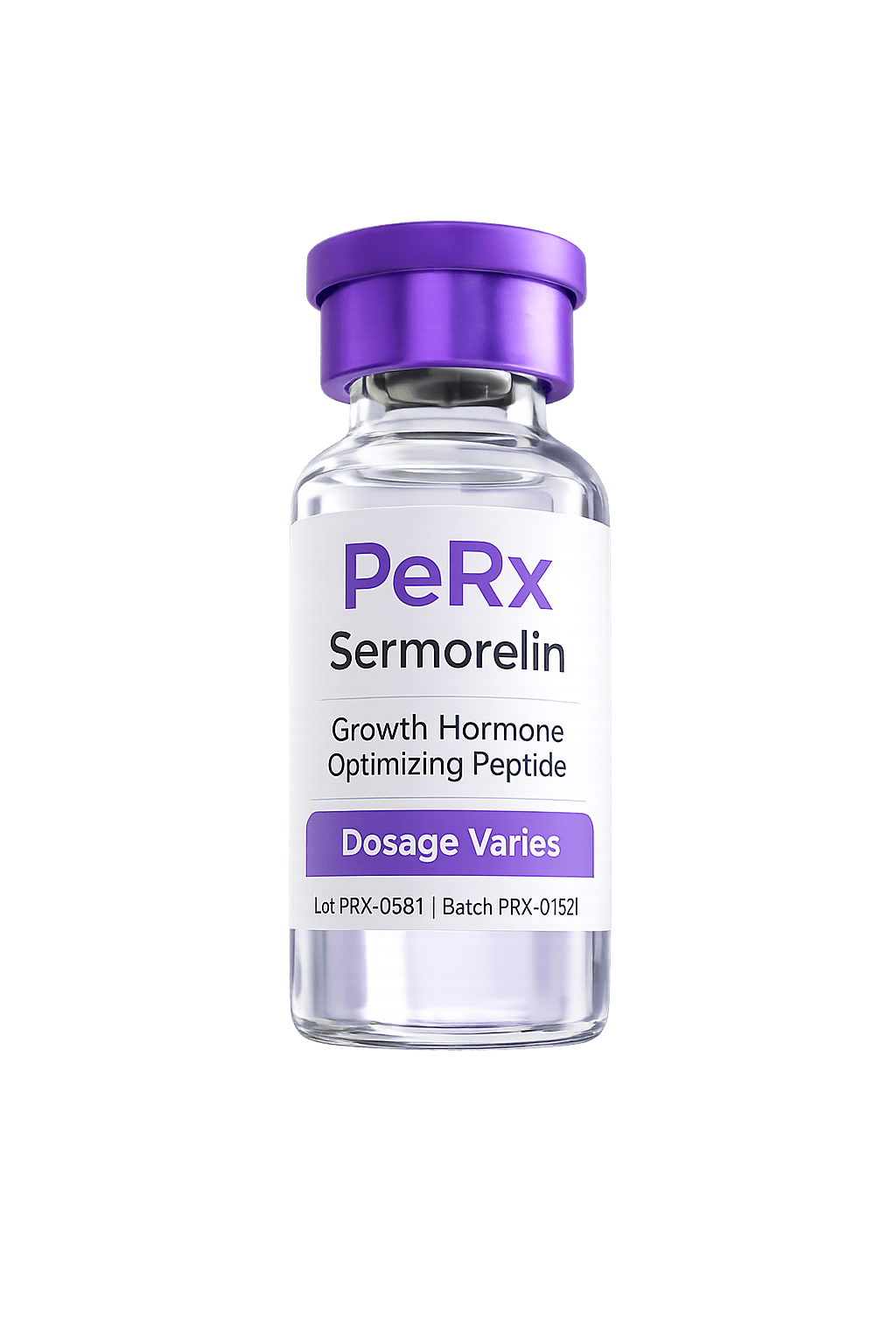
Sermorelin
Sermorelin is a 29-amino-acid fragment of growth hormone releasing hormone (GHRH). It prompts the pituitary to release its own growth hormone in the natural pulsatile pattern. This is important because natural pulsatile GH release avoids the downsides of continuous elevated GH (insulin resistance, swelling, carpal tunnel) that come with synthetic HGH.
Sermorelin is the gentlest of the GH-axis peptides. It's well-tolerated, has the longest clinical track record (originally FDA-approved in 1997 for pediatric growth hormone deficiency), and is a reasonable starting point for patients new to peptide therapy. Expect moderate improvements in sleep quality, recovery, and lean mass preservation within 8 to 12 weeks.
CJC-1295 / Ipamorelin
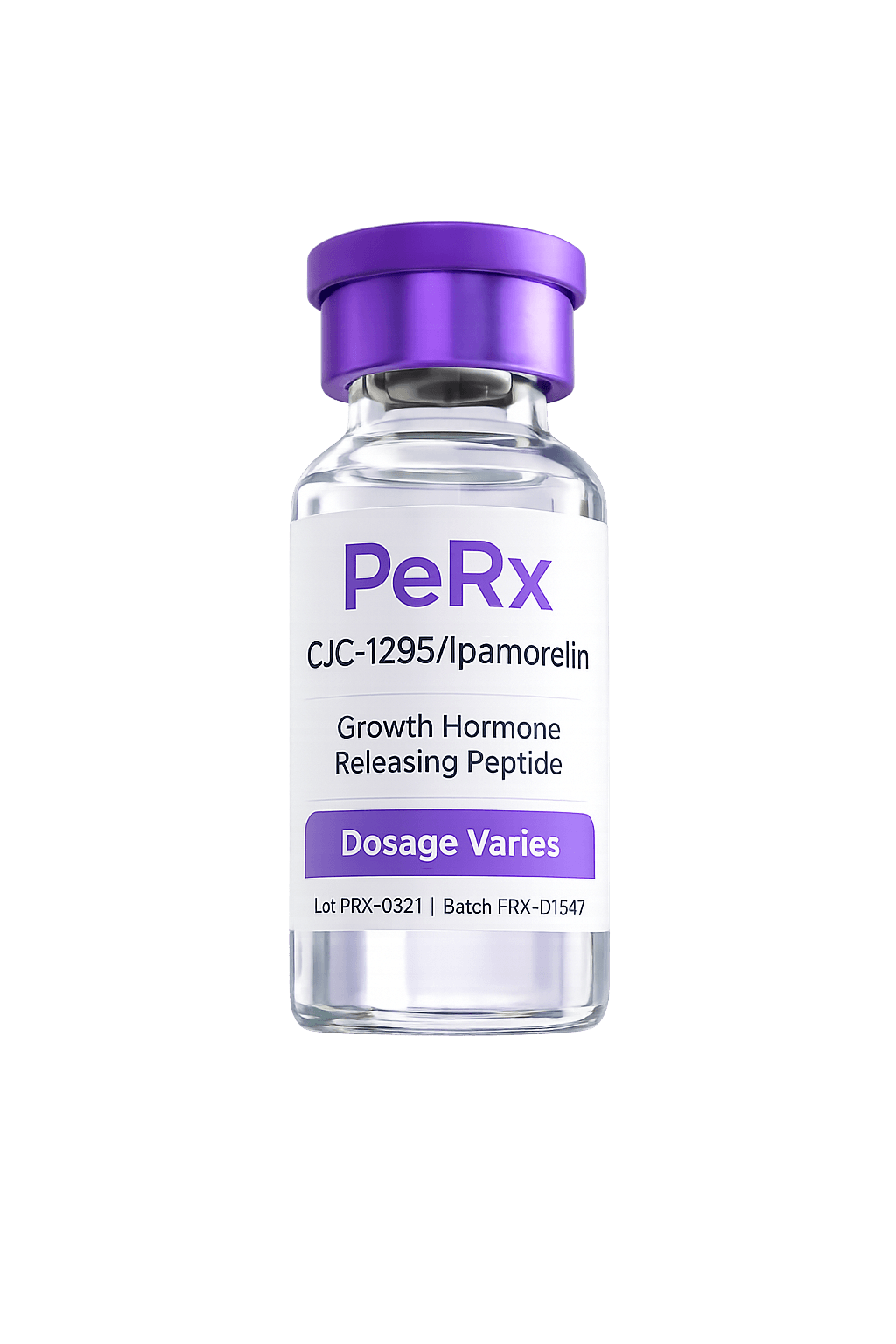
CJC-1295 is a modified GHRH analog with a longer half-life than Sermorelin. Ipamorelin is a selective growth hormone secretagogue that binds a different receptor (GHSR, the ghrelin receptor). Together they produce a stronger GH pulse than either alone, without meaningfully raising cortisol or prolactin, which is why Ipamorelin is preferred over older GHRPs like GHRP-2 or GHRP-6.
This combination is the most popular choice among patients on a GLP-1 who want a noticeable body composition effect. It preserves more lean mass, drives better sleep quality, and produces a measurable improvement in recovery between training sessions. Dosed subcutaneously before bed to align with the body's natural overnight GH pulse.
Tesamorelin / Ipamorelin
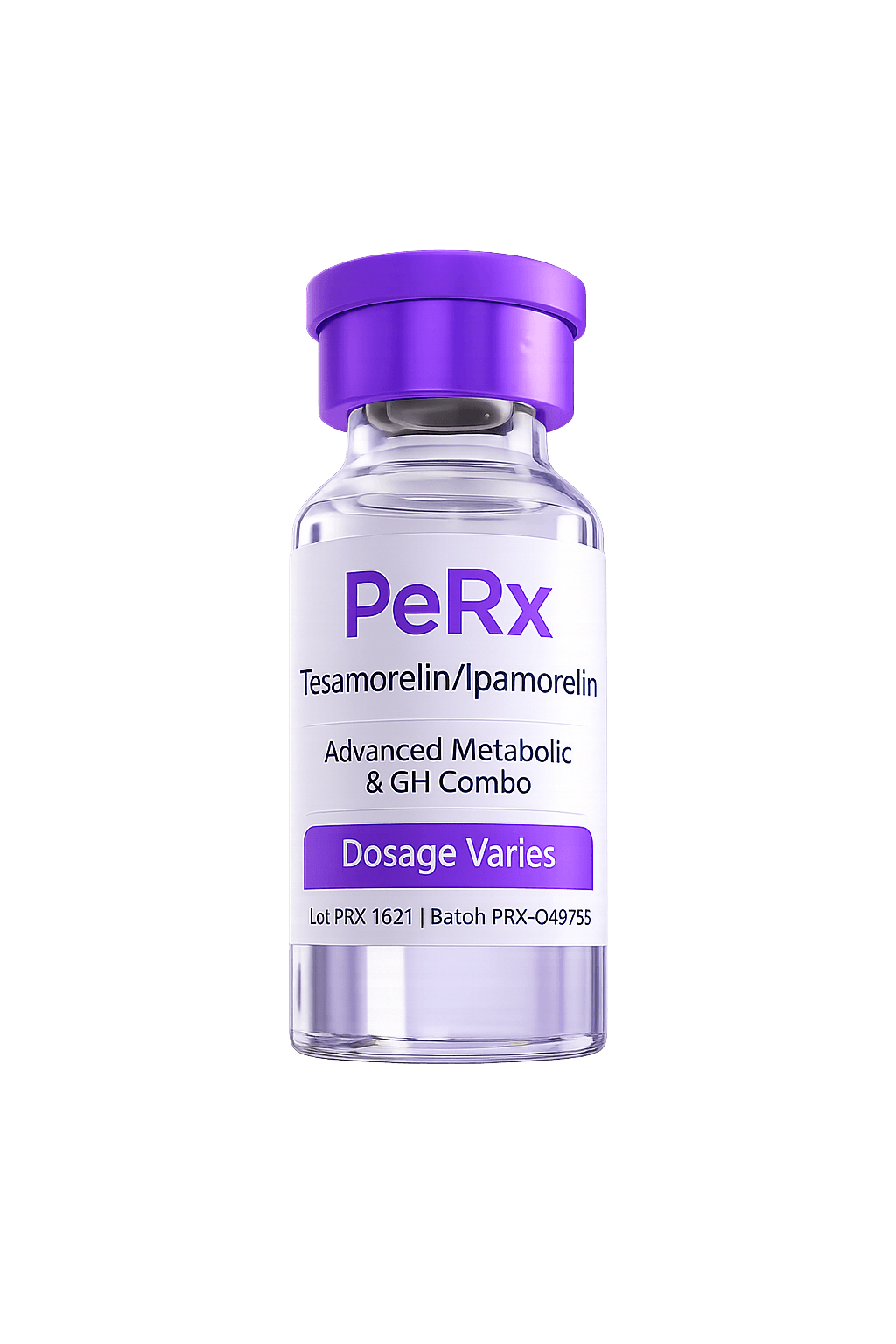
Tesamorelin is the most clinically studied GHRH analog for body composition specifically. It is FDA-approved for treatment of HIV-associated lipodystrophy, where it reduced visceral adipose tissue by 15 to 20% in pivotal trials. Combined with Ipamorelin, it delivers both the visceral fat reduction and the lean mass preservation that GLP-1 users commonly need.
This combination is typically recommended for patients with significant visceral fat at baseline or for those who have tried CJC/Ipa without the body composition result they wanted. It's also a common choice for patients who have completed their GLP-1 course and are working on reshaping rather than continued weight loss.
Falutz J et al., "Effects of Tesamorelin, a Growth Hormone-Releasing Factor Analog, in HIV-Infected Patients with Excess Abdominal Fat," J Clin Endocrinol Metab, 2010. View study
MOTS-c (supporting role)
MOTS-c is a mitochondrial-derived peptide that improves insulin sensitivity and metabolic flexibility. It's not a growth hormone peptide, so it doesn't directly preserve muscle. What it does is support the metabolic environment around weight loss. Better glucose disposal, better mitochondrial function, and better endurance are all downstream of MOTS-c signaling. Some patients add it alongside a GHRH peptide rather than choosing one over the other.
Timing, Duration, and After GLP-1
Most providers recommend starting a GH-axis peptide 2 to 4 weeks after beginning a GLP-1, once the early GI side effects have settled. Starting both at once is harder on the patient because any side effect becomes ambiguous in origin.
Protocols typically run 3 to 6 months, mirroring the initial weight-loss phase of the GLP-1. After that, many patients continue the peptide through the maintenance phase at a lower dose, then cycle off for 2 to 3 months before re-starting. Continuous year-round GH-axis stimulation is not standard practice.
The most important timing decision is what happens when the GLP-1 stops. Patients who discontinue a GLP-1 without continuing muscle-preservation support tend to rebound with fat gain. Running a GH-axis peptide for 3 to 6 months after stopping the GLP-1 reduces this rebound and helps cement the new body composition.
Safety and Medical Oversight
Growth hormone axis peptides are not appropriate for every patient. The primary contraindications are active malignancy, pregnancy, certain pituitary disorders, and severe insulin resistance that could be worsened by elevated GH. Patients with a history of cancer should discuss their specific oncology history with both their oncologist and prescribing provider before starting.
There are no documented pharmacological interactions between GH-axis peptides and GLP-1 receptor agonists. They act on entirely different pathways. However, both classes can affect glucose regulation in different directions, so patients with diabetes should expect closer monitoring of fasting glucose and HbA1c during the first 8 to 12 weeks of dual therapy.
All PeRx protocols are reviewed by a licensed medical provider who accounts for the patient's full medication list, medical history, lab values, and goals. Peptide therapy is not a product you take independently of the rest of your medical care. Each order ships fully reconstituted and ready to use, delivered overnight in refrigerated packaging, with nothing to mix on your end.
Getting the GLP-1 Itself Through PeRx
Everything above assumes you are already on a GLP-1 prescribed somewhere else. You do not have to be. PeRx prescribes compounded injectable semaglutide and tirzepatide directly, which means the provider titrating your dose and the provider overseeing your muscle-preservation protocol are looking at the same chart. We do not dispense the brand-name products — Ozempic, Wegovy, Mounjaro and Zepbound are manufactured formulations we have no part in.
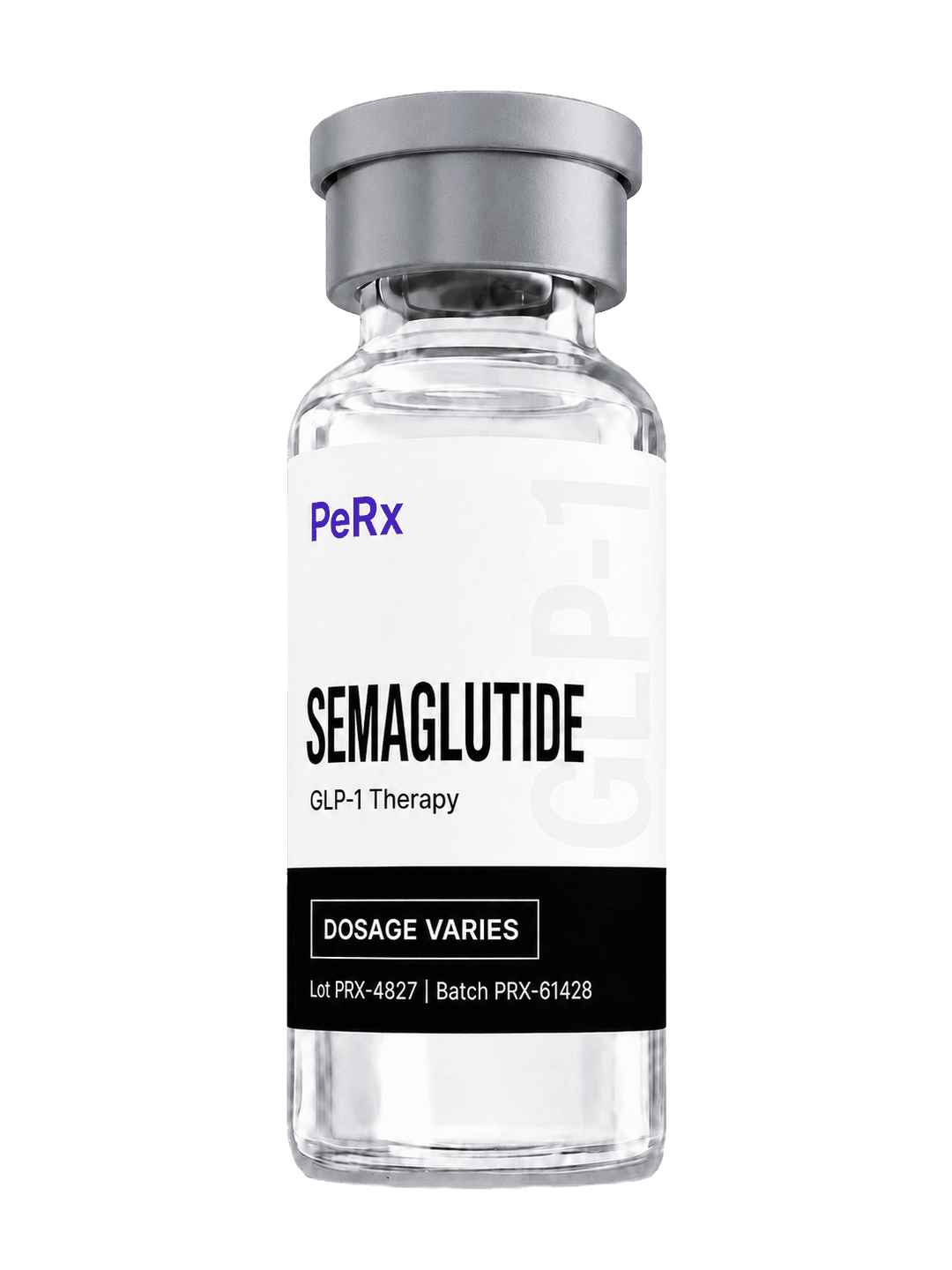
Semaglutide
A GLP-1 receptor agonist given as a once-weekly subcutaneous injection, compounded with vitamin B12. It mimics the incretin hormone your gut already releases after eating, which reduces appetite, slows gastric emptying, and increases glucose-dependent insulin release.
Your provider sets the strength and raises it gradually. That titration is the part that matters for muscle: the slower the ramp, the better most patients eat and train through it, and the less lean mass comes off with the fat.
Tirzepatide
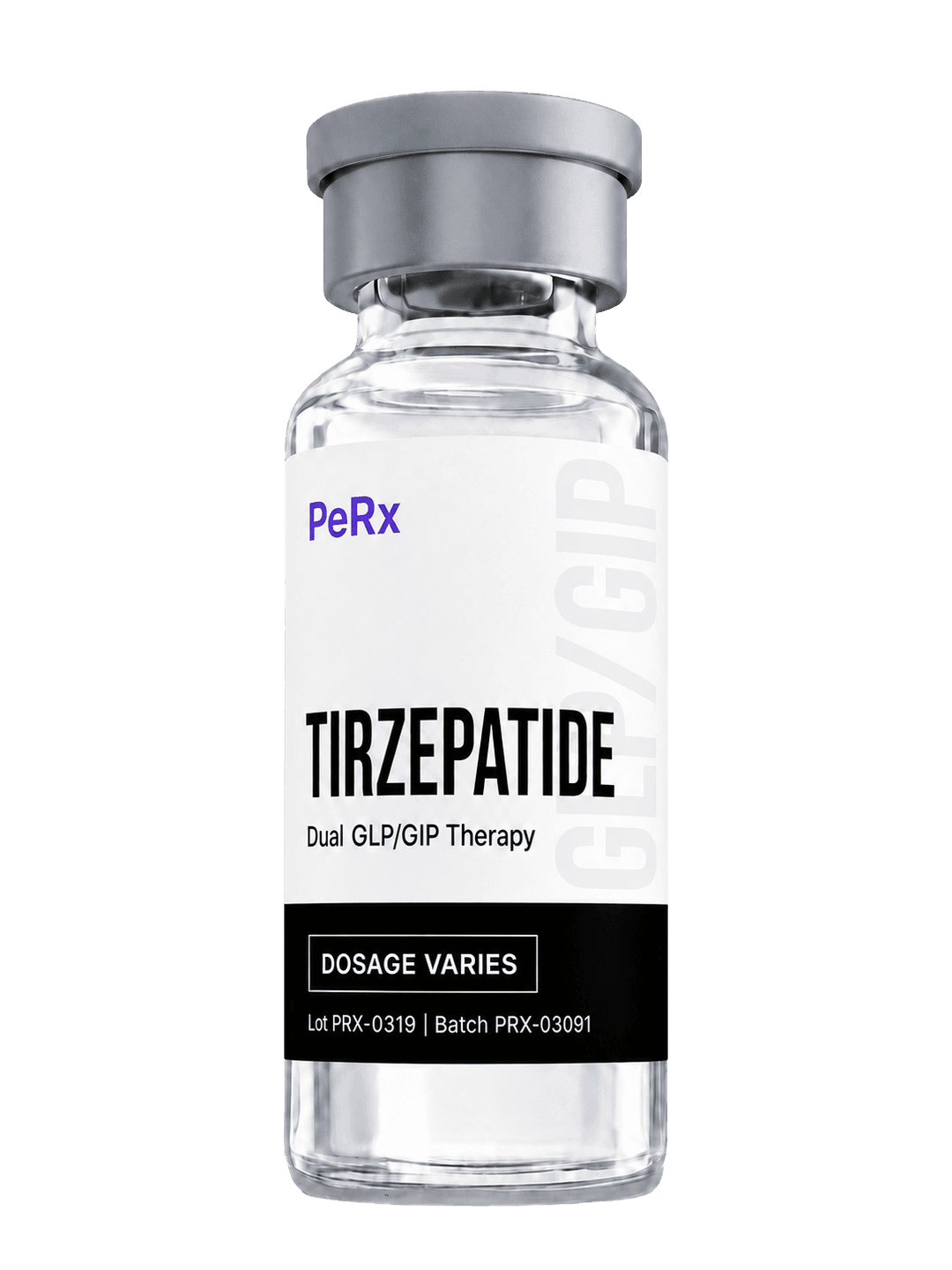
A dual GIP and GLP-1 receptor agonist, also once weekly. Acting on both incretin receptors tends to produce a stronger appetite and glycemic effect than a GLP-1 alone, which is why patients who plateau on semaglutide are often moved across to it.
The same caution applies, more so: faster weight loss means a steeper lean-mass cost if protein intake and resistance training do not keep up. The protocol in this guide is not optional alongside it.
Keep Muscle on Ozempic, Wegovy, or Mounjaro: Common Questions
Related Guides
Continue reading about peptides and protocols that pair well with this guide.
Austin Peptide Therapy: 2026 Costs & Telehealth
A plain guide to peptide therapy in Austin: what it costs across local clinics, concierge services, and telehealth, and who tends to use it here. Plus how pharmaceutical-grade peptides reach any Texas address without a clinic visit.
Is Glutathione FDA Approved? Antioxidant Status
Glutathione is the most abundant antioxidant in your body. Oral glutathione supplements are sold everywhere. IV and injectable glutathione are used in clinics worldwide. But the FDA approval picture is more nuanced than you might expect. Here is what glutathione actually is, how different forms are regulated, and what the science supports.
Peptide Therapy: What It Is and How It Works
Most "what is peptide therapy" explainers stop at the definition, which is not what actually helps you decide. This one is built to answer the real questions: how peptides work, which ones genuinely have research behind them, what treatment and cost look like, and how to tell a legitimate provider from the gray market. The honest version, not the marketing one.
Ready to preserve muscle through your GLP-1 journey?
Pharmaceutical-grade growth hormone axis peptides, prescribed by a licensed provider and shipped ready to use. Tell us what you're on and what your goals are. Our provider will recommend a protocol in 24 to 48 hours.
Medical Disclaimer
The information provided on this website, including all articles, guides, and educational content, is for informational and educational purposes only and is not intended as medical advice, diagnosis, or treatment. Nothing on this site should be construed as a substitute for professional medical advice from a qualified healthcare provider.
The majority of peptides discussed on this site are not approved by the U.S. Food and Drug Administration (FDA) for the indications described. They are classified as bulk drug substances and are available only through a licensed prescribing provider and compounding pharmacy. All treatments require a valid prescription and provider oversight.
The majority of published research on peptide therapies has been conducted in preclinical (animal) models. While early human data is encouraging, comprehensive clinical trial data remains limited for most peptide compounds. Individual results may vary significantly based on health status, injury type, and other factors. No specific outcomes are guaranteed.
Certain peptides discussed on this site are classified as prohibited substances by the World Anti-Doping Agency (WADA) and are banned by major sports organizations including the NFL, NCAA, UFC, NBA, MLB, NHL, and PGA. If you are subject to anti-doping testing, consult your governing body before considering any peptide therapy.
Statements on this website have not been evaluated by the Food and Drug Administration. Products and therapies discussed are not intended to diagnose, treat, cure, or prevent any disease.
© 2026 Wellness MD Group PC DBA PeRx. All rights reserved.