Peptide Therapy Guide
Athletes Peptide Therapy: Recovery & WADA Rules (2026)
Updated May 11, 2026
Athletes push their bodies to the limit, and recovery is where gains are made. Peptide therapy targets the biological pathways behind tissue repair, growth hormone optimization, and inflammation control to help athletes recover faster and perform better.
Training creates micro-damage in muscle fibers, tendons, and connective tissue. Your body repairs this damage during rest, which is how you get stronger. But when training volume exceeds recovery capacity, you hit a wall: persistent soreness, nagging injuries, declining performance, and disrupted sleep. This is where most athletes plateau.
Peptide therapy works by amplifying your body's natural repair signals. Rather than masking pain with NSAIDs (which can actually slow tissue healing) or injecting synthetic hormones, peptides stimulate the biological pathways your body already uses: growth hormone release, angiogenesis at injury sites, collagen synthesis, and inflammatory modulation. The result is faster recovery without the trade-offs.
Whether you're a competitive athlete dealing with a tendon injury, a recreational lifter trying to optimize body composition, or a former athlete maintaining joint health, there's a peptide protocol that fits your situation. Here's what the science says about the most relevant options.
Before going further: athletes need to understand which peptides are on the WADA Prohibited List and which are not. MOTS-c is listed under S4 (Metabolic Modulators), prohibited at all times. CJC-1295 and Ipamorelin are listed under S2 (Growth Hormone Secretagogues), also prohibited at all times. BPC-157, TB-500, GHK-Cu, DSIP, Selank, and Semax are not currently on the WADA list as of the 2026 update, but the list updates annually. If you compete in UCI, USATF, USAC, NCAA, NFL, NBA, MLB, NHL, UFC, or any other tested category, check the current list directly before using any peptide.
The relevant peptide protocol also differs significantly by sport. Endurance athletes (triathletes, ultra runners, gravel cyclists, marathoners) lean on MOTS-c for mitochondrial efficiency and BPC-157 for tendon load. Strength athletes (powerlifters, strongman, Olympic lifters) lean on the BPC-157/TB-500 combo for connective tissue and Tesamorelin or CJC-1295/Ipamorelin for lean mass retention. Contact-sport athletes (MMA, BJJ, rugby, hockey) lean on the BPC/TB-500 combo for repeated soft-tissue impact and GHK-Cu for skin and barrier repair. Functional-fitness racers (Hyrox, CrossFit) sit between endurance and strength, typically running BPC-157 + MOTS-c + NAD+ across the mixed-modal demand.
14%
GH decline per decade after age 30
100+
published studies on BPC-157 for tissue repair
60-70%
of GH released during deep sleep phases
S2 + S4
WADA classes covering peptides athletes should know about
Why Peptide Therapy for Athletes?
Faster recovery between training sessions
Accelerated tendon and ligament repair
Optimized growth hormone for lean muscle
Reduced inflammation and joint pain
Improved sleep quality for better recovery
Better body composition without synthetic hormones
How Peptide Therapy Works for Athletes
Growth Hormone Optimization
Your pituitary gland releases growth hormone (GH) in pulses, with the largest spike during deep sleep. GH drives muscle protein synthesis, fat metabolism, and tissue repair. After age 30, GH output declines roughly 14% per decade. Growth hormone-releasing peptides like CJC-1295/Ipamorelin and Sermorelin stimulate your pituitary to produce more of its own GH, restoring the recovery capacity you had in your twenties without the risks of synthetic HGH.
Tissue Repair and Angiogenesis
Tendon and ligament injuries are the bane of athletic careers because these tissues have poor blood supply and heal slowly. BPC-157 promotes angiogenesis (new blood vessel formation) directly at injury sites, delivering more oxygen and nutrients where repair is happening. Studies show accelerated healing in tendons, ligaments, muscles, and even the GI tract. TB-500 complements this by reducing systemic inflammation and promoting cell migration to damaged areas.
Inflammation Control Without the Trade-offs
Inflammation after training is a necessary signal that triggers adaptation. The problem is chronic inflammation that persists between sessions, leading to joint degradation and impaired recovery. Unlike NSAIDs, which block the inflammatory cascade entirely (including the beneficial parts), peptides like BPC-157 and Thymosin Beta-4 modulate inflammation selectively. They reduce the excessive inflammatory response while preserving the signaling your body needs to adapt and grow stronger.
Sleep Architecture and Recovery
Deep sleep is when your body does its heaviest repair work. Growth hormone peaks during slow-wave sleep, testosterone is replenished, and neural pathways are consolidated. Athletes with disrupted sleep recover slower, period. Peptides like DSIP directly target the delta-wave sleep cycle, while growth hormone peptides taken before bed amplify the natural GH pulse that occurs during deep sleep. Better sleep architecture means faster recovery, better performance, and improved cognitive function on game day.
Sport-Specific Application
The protocol shifts based on what your sport actually demands. Endurance work emphasizes mitochondrial efficiency (MOTS-c) and tendon load (BPC-157). Strength sports emphasize connective tissue (BPC/TB-500 combo) and lean mass retention (Tesamorelin, CJC-1295/Ipamorelin). Contact and combat sports emphasize repeated soft-tissue impact (BPC/TB-500 combo) and skin recovery (GHK-Cu). Functional-fitness racing formats like Hyrox and CrossFit sit between categories and typically use a mixed protocol. We have persona-specific guides for triathletes and Ironman endurance athletes, powerlifters and strongman athletes, gravel cyclists, endurance athletes training at altitude, and Hollywood stunt performers.
Recommended Peptides for Athletes
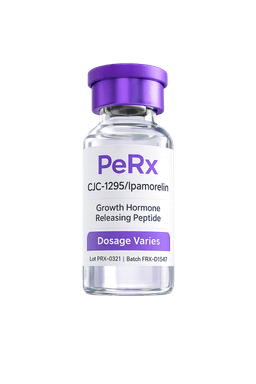
CJC-1295/Ipamorelin
$299/moPulsatile Growth Hormone Release
CJC-1295/Ipamorelin is the gold-standard combination for growth hormone optimization. CJC-1295 (no-DAC) carries the GHRH signal that primes growth hormone release, while Ipamorelin adds clean, selective GH secretion via ghrelin receptors. Together they deliver synergistic fat loss, muscle building, recovery, and sleep benefits.
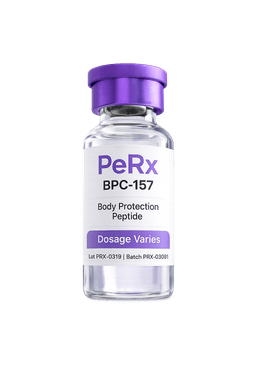
BPC-157
$229/moThe Body Protection Compound
BPC-157 (Body Protection Compound-157) is a synthetic peptide derived from a protein found in human gastric juice. It has shown remarkable regenerative properties, particularly for soft tissue injuries, gut healing, and recovery support.
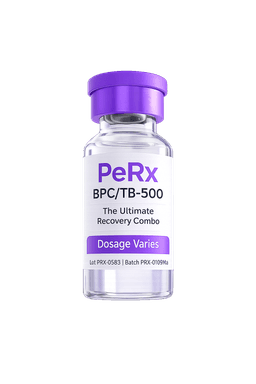
BPC/TB-500
$299/moThe Ultimate Recovery Combo
BPC/TB-500 combines BPC-157 and TB-500 in a single vial for comprehensive tissue repair. BPC-157 targets the injury site directly while TB-500 works systemically to reduce inflammation throughout the body.
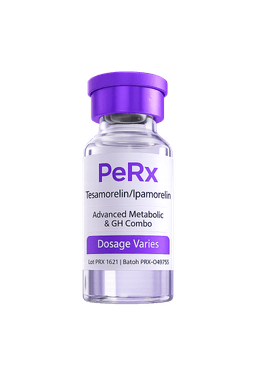
Tesamorelin/Ipamorelin
$299/moVisceral Fat & Lean Muscle Combo
Tesamorelin/Ipamorelin combines an FDA-approved visceral fat reducer with a clean GH secretagogue for comprehensive metabolic and body composition optimization in a single vial.
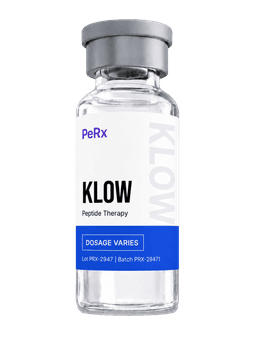
KLOW
$349/moThe Four-Peptide Repair Stack
KLOW combines four repair peptides in a single vial: BPC-157, GHK-Cu, KPV, and TB-500. It extends the BPC/TB-500 recovery protocol with GHK-Cu for skin and connective tissue and KPV for inflammation, covering local repair, systemic recovery, and the inflammatory response together.
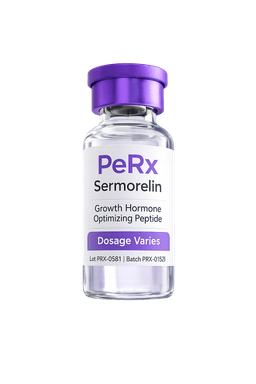
Sermorelin
$229/moThe Growth Hormone Optimizer
Sermorelin is a growth hormone-releasing hormone (GHRH) analog that stimulates the pituitary gland to produce and release natural growth hormone. Unlike synthetic HGH, sermorelin works with your body's natural feedback mechanisms for safer, more physiological results.
Quick Comparison
| Peptide | Best For | Administration | Price |
|---|---|---|---|
| Body composition, fat loss, muscle gain, sleep | Subcutaneous injection, evening | $299/mo | |
| Tendon/ligament injuries, gut healing | Subcutaneous injection | $229/mo | |
| Injury recovery, post-surgery healing, tissue repair | Subcutaneous injection | $299/mo | |
| Visceral fat reduction, body composition, lean mass | Subcutaneous injection | $299/mo | |
| Comprehensive recovery, inflammation support, skin and connective tissue | Subcutaneous injection | $349/mo | |
| Sleep, body composition, anti-aging | Subcutaneous injection, bedtime | $229/mo |
Frequently Asked Questions
What is the best peptide for athletes?
Based on relevance and mechanism of action, CJC-1295/Ipamorelin is the top-ranked peptide for athletes. Pulsatile Growth Hormone Release. Take our free health assessment and use the Virtual Cell to see which peptides match your biology.
Is peptide therapy safe for athletes?
When prescribed by a licensed provider and sourced from a state-licensed 503A compounding pharmacy, peptide therapy has a strong safety profile. Every PeRx patient undergoes a health screening before receiving a prescription.
How do I get started with peptide therapy?
Select a peptide on perxpeptides.com, complete a free health screening, and a licensed provider will review your information and prescribe a personalized protocol. Your peptide ships overnight, fully reconstituted and ready to use.
Can I combine multiple peptides?
Yes. Many patients benefit from combining peptides that target complementary pathways. PeRx offers pre-formulated combo products, and our Virtual Cell can help you explore which combinations match your health profile.
How long does peptide therapy take to work?
Most patients notice initial effects within 2-4 weeks of consistent use, with more significant results over 8-12 weeks. Timelines vary based on the specific peptide, your health status, and protocol adherence.
Are peptides banned in sports?
Some peptides are classified as prohibited substances by WADA and banned by major sports organizations including the NFL, NCAA, UFC, NBA, MLB, NHL, and PGA. MOTS-c is on the WADA Prohibited List under S4 (Metabolic Modulators). CJC-1295 and Ipamorelin are on the list under S2 (Growth Hormone Secretagogues). If you are subject to anti-doping testing, consult your governing body before considering any peptide therapy. PeRx is designed for general wellness and recovery, not competitive performance enhancement in tested sports.
Can I use peptides during a training cycle?
Yes. Most athletes use peptides alongside their normal training. Growth hormone peptides are typically taken before bed to align with natural GH pulses during sleep. BPC-157 can be used during active training to support ongoing tissue repair. Your provider will prescribe timing and dosing that fits your training schedule.
How do peptides compare to PRP therapy for injuries?
PRP (Platelet-Rich Plasma) and peptide therapy work through different mechanisms and are not mutually exclusive. PRP uses concentrated platelets from your own blood injected at the injury site. Peptides like BPC-157 work systemically to promote angiogenesis and tissue repair throughout the body. Some practitioners combine both approaches. PRP requires in-office procedures, while peptide therapy is self-administered at home.
Will peptides show up on a drug test?
Standard workplace drug tests do not screen for peptides. However, WADA-accredited anti-doping tests can detect certain peptides including growth hormone-releasing peptides and some healing peptides. If you compete in a tested sport, verify with your governing body before starting any peptide protocol.
Which peptides are best for endurance athletes vs strength athletes?
Endurance athletes (triathletes, ultra runners, gravel cyclists, marathoners) commonly emphasize MOTS-c for mitochondrial efficiency and BPC-157 for tendon load. Strength athletes (powerlifters, strongman, Olympic lifters) commonly emphasize the BPC/TB-500 combo for connective tissue and Tesamorelin or CJC-1295/Ipamorelin for lean mass retention. The mechanisms align with the actual physiological demand: endurance is mitochondrial and tendon-driven, strength is connective-tissue and GH-axis-driven.
Can I take peptides if I compete in CrossFit, Hyrox, or other functional-fitness racing?
Most functional-fitness racing formats (Hyrox, CrossFit, DEKA) are not WADA-sanctioned at the recreational level and do not test most amateur competitors. Elite divisions and CrossFit Games athletes may be subject to testing through CrossFit's Drug Testing Policy. Always check the specific governing body for your competition tier. For non-sanctioned recreational competitors, the typical mixed-modal protocol is BPC-157 (tendon load from repetitive impact), MOTS-c (mitochondrial demand of multi-station racing), and NAD+ (between-session recovery).
How do peptides compare to creatine, protein, and other supplements?
Creatine and protein are nutritional substrates: raw materials your body uses to build muscle and recover. Peptides are signaling molecules that direct how your body uses those materials. They are complementary, not substitutes. Most athletes who use peptides continue their normal nutritional supplementation (creatine, protein, electrolytes). Peptides are an additional layer addressing the repair and signaling pathways that nutrition alone cannot directly target.
Which peptides do contact-sport athletes use?
Contact and combat-sport athletes (MMA fighters, BJJ practitioners, rugby players, hockey players, football) commonly use the BPC-157/TB-500 combo for the repeated soft-tissue impact pattern these sports create, paired with GHK-Cu for skin and barrier repair from mat burns, lacerations, and chronic abrasion. CJC-1295/Ipamorelin is used in the off-season for connective tissue rebuilding. Note that MMA, NFL, NCAA, and most major contact-sport governing bodies test for peptides on the WADA list.
Find the right peptide for you
Take our free health assessment and use the Virtual Cell to discover which peptides match your biology.
Try the Virtual CellRelated Pages
Medical Disclaimer
The information provided on this page is for educational purposes only and is not intended as medical advice, diagnosis, or treatment. Peptide therapy requires a valid prescription from a licensed healthcare provider. Individual results may vary. No specific outcomes are guaranteed.
The peptides on this site are not FDA-approved. They are compounded by licensed pharmacies under provider supervision. Certain peptides are prohibited by WADA and major sports organizations. Statements on this page have not been evaluated by the FDA. These products are not intended to diagnose, treat, cure, or prevent any disease.