Peptide Therapy Guide
Peptide Therapy for Immune Support (2026)
Updated May 11, 2026
A strong immune system requires active surveillance, balanced inflammatory responses, and robust antioxidant defense. These peptides enhance your body's natural immune mechanisms — from T-cell maturation to glutathione production — without overstimulating the immune response.
Your immune system is not a single organ. It is a distributed network of cells, tissues, and signaling molecules that work together to identify and neutralize threats. T-cells patrol for infected or abnormal cells. NK cells destroy cancerous cells on contact. Antibodies neutralize pathogens before they can infect. And the inflammatory response coordinates the entire defense effort.
After age 40, the thymus gland (where T-cells mature) begins to shrink, reducing your body's ability to produce new T-cells. Glutathione (your master antioxidant) levels decline, leaving cells more vulnerable to oxidative damage. Chronic low-grade inflammation ("inflammaging") becomes more common, paradoxically weakening immune responses while damaging healthy tissue.
Immune peptide therapy targets these specific decline points. Rather than broadly stimulating the immune system (which can worsen autoimmune conditions), these peptides support the specific mechanisms that weaken with age: T-cell production, antioxidant defense, and inflammatory balance.
70%
of immune cells reside in the gut
40+
years of Thymosin Alpha-1 clinical research
24M+
Americans affected by autoimmune conditions
Why Peptide Therapy for Immune Support?
Enhanced T-cell maturation and immune surveillance
Balanced inflammatory response
Increased glutathione (master antioxidant) levels
Protection against oxidative stress
Support during illness and recovery
Long-term immune resilience
How Peptide Therapy Works for Immune Support
T-Cell Maturation and Thymic Support
Thymosin Alpha-1 is a naturally occurring peptide produced by the thymus gland. It enhances T-cell maturation, increases NK cell activity, and modulates dendritic cell function. Clinical studies show improved immune responses in immunocompromised patients. By supporting the thymus, TA1 helps restore the immune surveillance capacity that declines with age.
Master Antioxidant Defense
Glutathione is the most abundant intracellular antioxidant in the human body. It neutralizes free radicals, supports detoxification in the liver, and recycles other antioxidants like vitamins C and E. Injectable glutathione bypasses the digestive degradation that limits oral supplements, delivering the active molecule directly to cells where it protects against oxidative damage.
Inflammatory Balance
Chronic inflammation suppresses effective immune responses while damaging healthy tissue. BPC-157 and Thymosin Alpha-1 both help modulate inflammatory pathways, reducing chronic background inflammation while preserving the acute inflammatory response needed to fight actual infections. This balance is critical for maintaining immune effectiveness without autoimmune risk.
Cellular Energy for Immune Function
Immune cells are among the most metabolically active cells in your body. When NAD+ levels decline, immune cell function suffers. NAD+ peptide therapy supports the energy production that immune cells need to maintain surveillance, respond to threats, and clear infections efficiently.
Recommended Peptides for Immune Support
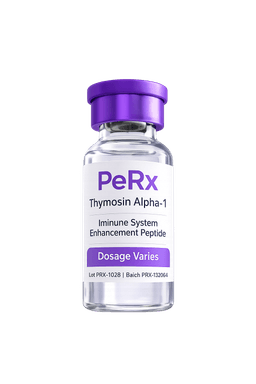
Thymosin Alpha-1
$229/moImmune System Optimizer
Thymosin Alpha-1 is a naturally occurring thymic peptide that modulates immune function. It acts on the thymus gland to 'train' T-cells, helping the body fight viruses and chronic infections while strengthening overall immune defense.
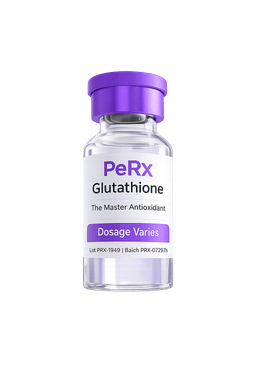
Glutathione
$199/moThe Master Antioxidant
Glutathione is the body's most powerful endogenous antioxidant, critical for detoxification, immune support, and cellular protection. Subcutaneous delivery bypasses digestive breakdown for superior bioavailability.
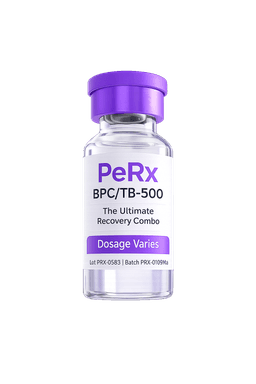
BPC/TB-500
$299/moThe Ultimate Recovery Combo
BPC/TB-500 combines BPC-157 and TB-500 in a single vial for comprehensive tissue repair. BPC-157 targets the injury site directly while TB-500 works systemically to reduce inflammation throughout the body.
Quick Comparison
| Peptide | Best For | Administration | Price |
|---|---|---|---|
| Immune resilience, vaccine enhancement, recovery | Subcutaneous injection | $229/mo | |
| Antioxidant defense, detox, skin health | Subcutaneous injection | $199/mo | |
| Injury recovery, post-surgery healing, tissue repair | Subcutaneous injection | $299/mo |
Frequently Asked Questions
What is the best peptide for immune support?
Based on relevance and mechanism of action, Thymosin Alpha-1 is the top-ranked peptide for immune support. Immune System Optimizer. Take our free health assessment and use the Virtual Cell to see which peptides match your biology.
Is peptide therapy safe for immune support?
When prescribed by a licensed provider and sourced from an FDA-registered 503A compounding pharmacy, peptide therapy has a strong safety profile. Every PeRx patient undergoes a health screening before receiving a prescription.
How do I get started with peptide therapy?
Select a peptide on perxpeptides.com, complete a free health screening, and a licensed provider will review your information and prescribe a personalized protocol. Your peptide ships overnight, fully reconstituted and ready to use.
Can I combine multiple peptides?
Yes. Many patients benefit from combining peptides that target complementary pathways. PeRx offers pre-formulated combo products, and our Virtual Cell can help you explore which combinations match your health profile.
How long does peptide therapy take to work?
Most patients notice initial effects within 2-4 weeks of consistent use, with more significant results over 8-12 weeks. Timelines vary based on the specific peptide, your health status, and protocol adherence.
Are immune peptides safe for people with autoimmune conditions?
Immune-modulating peptides like Thymosin Alpha-1 work differently from immune stimulants. TA1 has been studied in autoimmune contexts and shows immunomodulatory (balancing) rather than purely immunostimulatory effects. However, anyone with an autoimmune condition should discuss peptide therapy with their provider during the health screening to evaluate appropriateness for their specific situation.
Can I use immune peptides preventively, or only when sick?
Many patients use immune peptides preventively, particularly during cold and flu season or periods of high stress. Thymosin Alpha-1 and Glutathione support baseline immune function regardless of whether you are currently fighting an infection. Preventive use is common in longevity-focused protocols.
How do immune peptides compare to IV vitamin therapy?
IV vitamin therapy (vitamin C, B-complex, zinc) provides raw materials your immune system needs. Immune peptides (Thymosin Alpha-1, Glutathione) directly support the cellular machinery that uses those materials. They are complementary approaches. Peptides address function while vitamins address substrate availability.
Find the right peptide for you
Take our free health assessment and use the Virtual Cell to discover which peptides match your biology.
Try the Virtual CellRelated Pages
Medical Disclaimer
The information provided on this page is for educational purposes only and is not intended as medical advice, diagnosis, or treatment. Peptide therapy requires a valid prescription from a licensed healthcare provider. Individual results may vary. No specific outcomes are guaranteed.
The peptides on this site are not FDA-approved. They are compounded by licensed pharmacies under provider supervision. Certain peptides are prohibited by WADA and major sports organizations. Statements on this page have not been evaluated by the FDA. These products are not intended to diagnose, treat, cure, or prevent any disease.